The Company Of Military Historians - Fife And Drum Music Of The American Revolution Album

Performer:
The Company Of Military Historians
Title:
Fife And Drum Music Of The American Revolution
Genre:
Metal & Military
Label: Company Of Military Historians, The
MP3 album szie: 2594 mb
FLAC album size: 1450 mb
Short intro
American Revolution: Military Music in America series, vol. 1, produced by the Company of Military Collectors & Hi. Excerpts from Fife and Drum Music of the American Revolution: Military Music in America series, vol. 1, produced by the Company of Military Feature: Lowland's Away - Trenton arr. United States Army Old Guard Fife and Drum Corps. Drum Feature: The Rage of Cornwallis. Royal American Medley. American music of the Revolutionary is usually associated with Fife & drum. Indeed this was the standard Field Music that accompanied soldiers onto the battlefield. This classic combination remains with us today in various guises, but in its basic form was without base drums or cymbals. Although most Americans would not know this fact British influences are also there today in many of the army's bugle calls. Military music certainly developed during the American Revolution, which would set the tone for the larger bands of the Napoleanic period and the 19th century. Альбом 2003 Песен: 55. Death of Wolfe Trad. Fife Solo. 17401768 feat. Original Drum Beatings Paul Cormier. The American Revolution is the debut studio album and second overall album by David Peel and The Lower East Side, released in 1970 through Elektra Records. All tracks are written by David Peel, except where noted. Tony Bartoli drums. Harold C. Black vocals, tambourine. Herb Bushler bass guitar. Richard Grando soprano saxophone. David Horowitz organ. David Peel vocals, guitar. Billy Joe White vocals, guitar. Production and additional personnel. Joel Brodsky photography. Death of Wolfe. Nathan Hale Ancient Fifes And Drums. The Lady's Breast Knot Fife Solo. The Company of Fifers & Drummers. Non-profit organisation. Medianews company. 3d US Infantry Regiment FRG The Old Guard. Government organisation. The Old Guard Fife and Drum Corps Association. 101st Airborne Division Air Assault. The Commandant's Own, The United States Marine Drum & Bugle Corps. Recently, we united with many other fellow musicians from major orchestras across America to bring you a percussive rendition of The Stars and Stripes Forever by John Philips Sousa Check out our contribution here: 120. Mar 16, 2015 - Fife and Drum Music of the Revolutionary War - YouTube. My 5th great grandfather, Daniel Banga Etter, was a member of the Drum and Fife Corps of Capt. Wilkins Co. 6th Pennsylvania Regiment Emily Seagle. A daughter's salute. Daniella, daughter of Capt. Dan Moen, 1-89 CAV RECON, U. Army Fort Drum & 10th Mountain Division, salutes behind her father as the National Anthem is played at a deployment ceremony on January 11 at Fort Drum, NY. Photo by Sasha Moen. Army ArmyStrong Families. Music of the American Civil War. During the American Civil War, music played a prominent role on both sides of the conflict: Union and Confederate. On the American Civil War battlefield, different instruments including bugles, drums, and fifes were played to issue marching orders or sometimes simply to boost the morale of one's fellow soldiers. Singing was also employed not only as a recreational activity but as a release from the inevitable tensions that come with fighting in a. Songs and Music of the American Revolution, Songs the Patriots Sung, Early American Music, Culture of the American Revolutionary Period, Patriotic Music. Every American school child learns the tune of Yankee Doodle before they leave elementary school, but few people know the origins of the song. Some of the words are: Yankee Doodle went to town Riding on a Pony Stuck a feather in his hat And called it macaroni. A British Army surgeon named Richard Shuckburg first penned the verses during the French and Indian War to make fun of colonial soldiersRelated to The Company Of Military Historians - Fife And Drum Music Of The American Revolution
Graham Nash - Military Madness

eDUB - Military Industry
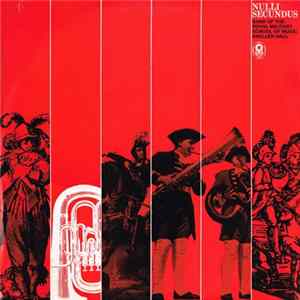
The Band Of The Royal Military School Of Music, Kneller Hall - Nulli Secundus

Fife & Drum - Second Reg't N.G.N.J. March

EC Twins - Revolution

DJ Rip - Revolution Of House Music
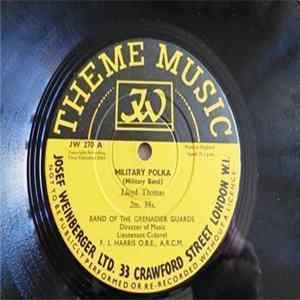
Band Of The Grenadier Guards - Military Polka
The Smashing Pumpkins - Monuments To An Elegy
Alvarius B - Burmese Military Mandolin
Area 51 - Area 51 - The Revolution - Ready to Die