Debussy -- Boston Symphony Orchestra / Sir Colin Davis - La Mer / Trois Nocturnes Album

Tracklist
| 1 | 2. Fêtes | 6:38 |
| 2 | 3. Dialogue Du Vent Et De La Mer | 8:08 |
| 3 | 2. Jeux De Vagues | 6:26 |
| 4 | Nocturnes | |
| 5 | La Mer | |
| 6 | 1. Nuages | 7:59 |
| 7 | 3. Sirènes | 12:13 |
| 8 | 1. De L'Aube A Midi Sur La Mer | 9:21 |
Versions
| Category | Artist | Title (Format) | Label | Category | Country | Year |
|---|---|---|---|---|---|---|
| 411 258-1, 53 | Debussy – Boston Symphony Orchestra, Tanglewood Festival Chorus, Sir Colin Davis | Debussy – Boston Symphony Orchestra, Tanglewood Festival Chorus, Sir Colin Davis - La Mer / Nocturnes (LP) | Philips, De Klassieken | 411 258-1, 53 | Europe | 1984 |
| 7337 260 | Debussy – Boston Symphony Orchestra, Sir Colin Davis | Debussy – Boston Symphony Orchestra, Sir Colin Davis - La Mer / Trois Nocturnes (Cass, Dol) | Philips | 7337 260 | Europe | 1982 |
| 6514 260 | Debussy - Boston Symphony Orchestra, Sir Colin Davis | Debussy - Boston Symphony Orchestra, Sir Colin Davis - La Mer & Trois Nocturnes (LP) | Philips | 6514 260 | France | 1982 |
| 6514 260 | Debussy – Boston Symphony Orchestra, Sir Colin Davis | Debussy – Boston Symphony Orchestra, Sir Colin Davis - La Mer / Trois Nocturnes (LP) | Philips | 6514 260 | Europe | 1982 |
| 6514 260 | Debussy – Boston Symphony Orchestra, Sir Colin Davis | Debussy – Boston Symphony Orchestra, Sir Colin Davis - La Mer / Trois Nocturnes (LP, Club) | Philips | 6514 260 | US | 1982 |
Credits
- Chorus – Tanglewood Festival Chorus (tracks: 6)
- Chorus Master – John Oliver (tracks: 6)
- Composed By – Claude Debussy
- Conductor – Sir Colin Davis
- Cover [Illustration] – Paul Cézanne
- Liner Notes [English to German Translation] – Wilfried Sczepan
- Liner Notes [English] – Max Harrison
- Liner Notes [French] – Denys Lémery
- Orchestra – Boston Symphony Orchestra
- Painting [Cover] – Paul Cézanne
Notes
Released in a standard black tray jewel-case with a 8 page stapled booklet.Booklet cover is release/jewel-case cover.
Booklet info:
Credited liner notes in English ( © Max Harrison), German and French ( © 1983 Phonogram S.A., Paris).
"Recorded: Boston, 3 / 1982".
Printed in West Germany.
Made in West Germany.
Spine string: "Debussy • La Mer • Trois Nocturnes Philips • 411 433-2 Boston Symphony Orchestra • Sir Colin Davis Digital".
Back cover info:
"411 433-2 PH" (PH double boxed ).
DDD.
LP Category: 6514 260.
Cassette Category: 7337 260.
© Phonogram International B.V.
Printed in West Germany.
Made in West Germany.
"CD is manufactured by Polygram in Hanover, West Germany".
"Recorded: Boston, 3 / 1982".
CD disc info:
Rim text copyrights message in English with "Made in W.Germany by Polygram" on bottom.
℗ 1982.
Digital Recording.
Barcodes
- Barcode: 0 28941 14332 7
- Matrix / Runout: 411 433-2 01 #
- SPARS Code: DDD
Companies
- Copyright (c) – Phonogram International B.V.
- Manufactured By – Polygram, Hanover, West Germany
Short intro
Debussy: La Mer Nocturnes - Sir Colin Davis, Boston Symphony Orchestra. Лента с персональными рекомендациями и музыкальными новинками, радио, подборки на любой вкус, удобное управление своей коллекцией. Формируйте собственную коллекция коллекцию записей Debussy - Boston Symphony Orchestra, Sir Colin Davis. Debussy: La Mer Nocturnes. La Mer, symphonic sketches 3 for orchestra, L. 1, De l'aube a midi sur la mer. Claude Debussy. Colin Davis. All formats Album CD CD Album CD Single CD Maxi Vinyl records LP 7 inchs 7 inchs SP 7 inchs EP 12 inchs 78 rpm 10 inchs DVD VHS Cassette Clothing T-Shirt Others. Featured items. Featured sellers. New items. Good deals. Mint Sellers. NBC SYMPHONY ORCHESTRA conducted by ARTURO TOSCANINI. Debussy - La Mer - Boston, Monteux - Продолжительность: 22:45. Debussy - La mer - Trois nocturnes -Prelude- Yevgeny Svetlanov -PhilharmoniaOrchestra FULL ALBUM. Listen to music from Debussy Boston Symphony Orchestra, Sir Colin Davis. Find the latest tracks, albums, and images from Debussy Boston Symphony Orchestra, Sir Colin Davis. Latest release. La Mer, Trois Nocturnes. Play album. Do you have any photos of this artist Add an image. Information from the official seller of tickets and events for the Boston Symphony and Boston Pops orchestras, Symphony Hall in Boston, and Tanglewood. Also on the program is Debussy's immensely colorful Nocturnes, an 1899 masterpiece of musical Impressionism. Featured Performers & Ensembles. View biography in full page . Highlights included her first Erda in two complete Ring Cycles with both Sir Simon Rattle and Donald Runnicles, Dame Quickly in a new Falstaff directed by Christoph Loy, La Cieca in La Gioconda, Mrs. Sedley in David Alden's Peter Grimes from English National Opera, and Ulrica in Un Ballo in Maschera. Nocturnes, L. 91, CD. 98, sometimes Trois Nocturnes or Three Nocturnes, is an impressionist orchestral composition in three movements by the French composer Claude Debussy, who wrote it between 1892 and 1899. It is based on poems from Poèmes anciens et romanesques Henri de Régnier, 1890. London Symphony Chorus, John Constable, London Symphony Orchestra, Sir Colin Davis Kyrie in D minor, . Boston Symphony Orchestra, Sir Colin Davis 1. De l aube midi sur la mer. Boston Symphony Orchestra, Sir Colin Davis Sibelius Symphony No. 2 in D Major, Op. 5 in E-Flat Major, Op. London Symphony Chorus, John Constable, London Symphony Orchestra, Sir Colin Davis Ave verum corpus, . DE1982. Release group information. ArtistRelated to Debussy -- Boston Symphony Orchestra / Sir Colin Davis - La Mer / Trois Nocturnes

Sir Georg Solti, Chicago Symphony Orchestra ; Ravel, Debussy - Bolero / La Mer • Prélude À L'Après-Midi D'Un Faune

Ravel / Debussy, Chicago Symphony Orchestra, Sir Georg Solti - Boléro / La Mer

Charles Munch, Boston Symphony Orchestra, Debussy - La Mer

Herbert von Karajan · Berliner Philharmoniker · Ravel · Debussy - Bolero, La Mer, Prélude À L'après-midi D'un Faune
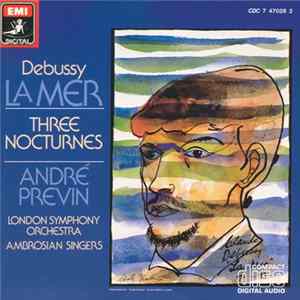
Debussy / André Previn / London Symphony Orchestra / Ambrosian Chorus - La Mer . Trois Nocturnes
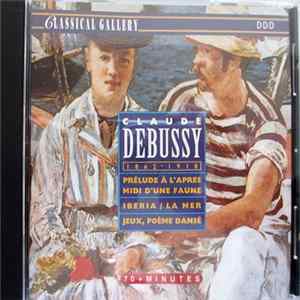
Claude Debussy - Claude Debussy (1862-1918)

Eugene Ormandy - Philadelphia Orchestra - The Debussy Album

Debussy - Leonard Slatkin, Saint Louis Symphony Orchestra - La Mer • Prélude À L'Après-midi D'Un Faune • Danses Sacrée Et Profane
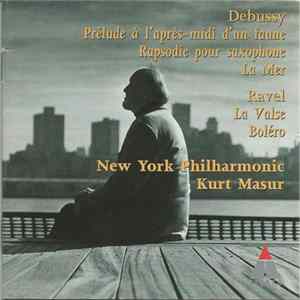
Debussy / Ravel - New York Philharmonic, Kurt Masur - Prélude À L'après-midi D’un Faune / Rapsodie Pour Saxophone / La Mer / La Valse / Boléro
Claude Debussy, Orchestra of Radio Luxembourg, Louis De Froment - Trois Images / La Mer
Reviews: (2)